The Law Office of Blerim Elmazi

What to Do If You've Been Sexually Abused by a Church or Clergy Member in Texas
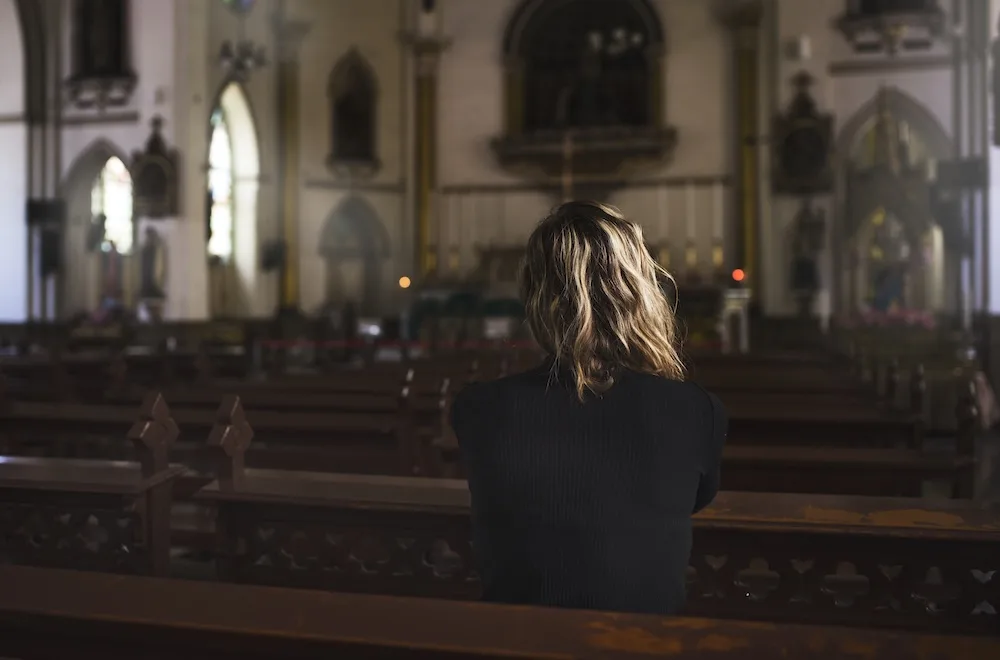
Sexual abuse by a clergy member or within a church setting is a profound betrayal of trust. If you or someone you love has experienced this kind of abuse in Texas, it is important to understand that you are not alone and that you have legal options. Knowing what steps to take can help you protect your health, preserve your rights, and hold those responsible accountable.
This guide explains what to do after church or clergy sexual abuse in Texas, how the legal process works, and how a civil rights attorney can help you pursue justice and compensation.
You Have the Right to Take Legal Action
Many survivors of church sexual abuse are unsure whether they can pursue a lawsuit, especially when the abuser was a religious figure or when the abuse occurred years ago. Under Texas law, survivors may have the right to file a civil lawsuit against both the individual abuser and the institution itself.
A civil lawsuit is separate from any criminal proceedings. You can pursue a civil claim even if no criminal charges were filed, even if the accused was not convicted, and even if significant time has passed. The goal of a civil case is financial compensation and accountability, not criminal punishment.
For a deeper look at how these cases work, see our guide on how to file a civil sexual assault lawsuit in Texas.
Step 1: Prioritize Your Safety and Well-Being
Your physical and emotional well-being comes first. If you are in immediate danger, contact law enforcement. If the abuse is ongoing, removing yourself from the situation and reaching out to a trusted person in your life is the most important first step.
Organizations like RAINN offer confidential support for survivors of sexual abuse, including a 24/7 hotline and resources specific to faith-based abuse. Connecting with a counselor or therapist can also be an important part of recovery, and those records may later support your legal claim.
Step 2: Seek Medical Attention
Even if injuries are not immediately apparent, seeking medical care as soon as possible is important. A medical examination can document physical evidence of the abuse, create a record of your injuries, and connect you with additional support resources.
Medical records are often one of the most important forms of evidence in a civil sexual assault case. Even if time has passed since the abuse occurred, speaking with a healthcare provider about the physical and psychological effects of the abuse can still be valuable.
Step 3: Document Everything You Can
As soon as you are safe and able to do so, begin documenting what happened. This does not need to be a formal report. Writing down what you remember, including dates, locations, and details about the abuser and any witnesses, can be helpful later in the legal process.
You should also preserve any communications you may have, such as text messages, emails, or letters. If there were any other individuals who may have witnessed inappropriate behavior or to whom you disclosed the abuse at the time, note their names as well.
For a full breakdown of the types of evidence that can strengthen your case, see our article on what evidence you need to win a sexual assault lawsuit in Texas.
Step 4: Consider Reporting the Abuse
Reporting abuse to law enforcement or church authorities is a personal decision, and there is no single right answer. Some survivors choose to file a police report, which can create an official record and may prompt an investigation. Others prefer to pursue a civil claim without involving criminal authorities.
It is also worth knowing that in Texas, certain professionals are legally required to report suspected child abuse to authorities. If the abuse involved a minor, this reporting obligation may have applied to church staff or leaders who were aware of the situation. If those reports were not made, it can be an additional factor in a civil claim against the institution.
Step 5: Speak With a Texas Civil Rights Attorney
One of the most important steps you can take is speaking with an attorney who has experience handling church sexual abuse cases. An attorney can evaluate the facts of your situation, explain your legal options, and help you understand whether a civil claim is viable.
Many survivors are surprised to learn that they may still have a valid claim even if the abuse occurred years ago. Texas law includes specific provisions for cases involving minors, and deadlines can vary depending on the circumstances. Speaking with a lawyer early allows you to understand your timeline and preserve evidence while it is still available.
Consultations are confidential, and speaking with an attorney does not commit you to taking any action. It simply gives you the information you need to make an informed decision.
Who Can Be Held Liable in a Church Sexual Abuse Case?
A common misconception is that only the individual abuser can be held responsible. In reality, Texas law allows survivors to pursue claims against multiple parties, which can significantly increase the compensation available and ensure broader accountability.
Potentially liable parties in a church sexual abuse case include:
- The individual abuser — the person who directly committed the abuse
- The local church or congregation — if leadership failed to screen, supervise, or respond appropriately
- A larger governing body — such as a diocese or national organization that had knowledge of the abuse or transferred an abuser between locations
- Church leadership and supervisors — individuals who were aware of concerns but failed to act
When a church knew or should have known about misconduct and failed to prevent it, that institutional failure can be a powerful basis for a civil claim. For more detail on how liability works in these cases, see our article on who can be held liable in a church sexual assault case in Texas.
What Compensation Can You Recover?
A civil lawsuit against a church or clergy member focuses on financial compensation for the harm you have experienced.
Depending on the facts of the case, you may be able to recover damages for:
- Medical and therapy expenses
- Emotional distress and mental anguish
- Lost wages or reduced earning capacity
- Pain and suffering
- Long-term psychological trauma
- Punitive damages, in cases involving egregious institutional conduct
The value of a case depends on several factors, including the severity and duration of the abuse, whether the institution had prior knowledge of misconduct, and the strength of the available evidence. For more on what these cases are typically worth, see our article on what is the average payout for a church sexual abuse lawsuit in Texas.
What If the Abuse Happened Years Ago?
Many survivors of church sexual abuse do not come forward right away. Trauma, shame, fear, and the power dynamics within religious communities can delay reporting for months, years, or even decades. This is completely understandable, and it does not necessarily mean you have lost the right to pursue a claim.
Texas law includes specific statute of limitations provisions for sexual abuse cases, especially those involving minors. In some situations, the clock does not begin until the survivor turns 18, and recent changes to Texas law have expanded the rights of survivors to pursue civil claims in certain circumstances.
Even if significant time has passed, it is worth speaking with an attorney to find out whether a claim is still viable. For a full explanation of how deadlines work in these cases, see our article on the statute of limitations for sexual assault in Texas.
Frequently Asked Questions about Clergy Sexual Abuse
Can I sue a church if the abuser was a volunteer, not a paid staff member?
Yes, in many cases. Texas law looks at whether the church placed an individual in a position of trust and whether it took reasonable steps to screen and supervise that person. Volunteers who work directly with congregation members, especially minors, fall under that responsibility.
What if the church has already settled cases with other survivors?
Prior settlements can actually be relevant to your case. They may indicate that the institution was aware of a broader pattern of misconduct. An attorney can investigate whether prior complaints or settlements involving the same abuser or the same institution are applicable to your claim.
Do I have to testify in court?
Not necessarily. Many civil sexual abuse cases are resolved through confidential settlements before reaching trial. If a case does proceed to trial, your attorney will advocate for measures to protect your privacy and minimize additional trauma throughout the process.
How long does the process take?
The timeline varies depending on the complexity of the case, the number of parties involved, and whether the matter settles or proceeds to trial. Some cases resolve within months, while others take longer. Your attorney can give you a clearer sense of what to expect based on the specific facts of your situation.
Contact Elmazi Law for a Free Consultation

If you or someone you care about has experienced sexual abuse by a church or clergy member in Texas, you may have the right to significant compensation. The sooner you speak with an experienced attorney, the better positioned you will be to preserve evidence and protect your claim.
At the Law Office of Blerim Elmazi, we represent survivors of church and clergy sexual abuse across Dallas, Fort Worth, and throughout Texas. We handle these cases with compassion, discretion, and a commitment to pursuing meaningful accountability for our clients.
To learn more about your rights or to schedule a free, confidential consultation, contact us today.
Fill out the Form Below to Get in Touch
By submitting this form, you agree to our Privacy policy
Contact Info
3010 LBJ Fwy. Suite 1450, Dallas, TX 75234
Phone: (682) 888-0091
Email: blerim@elmazilaw.com